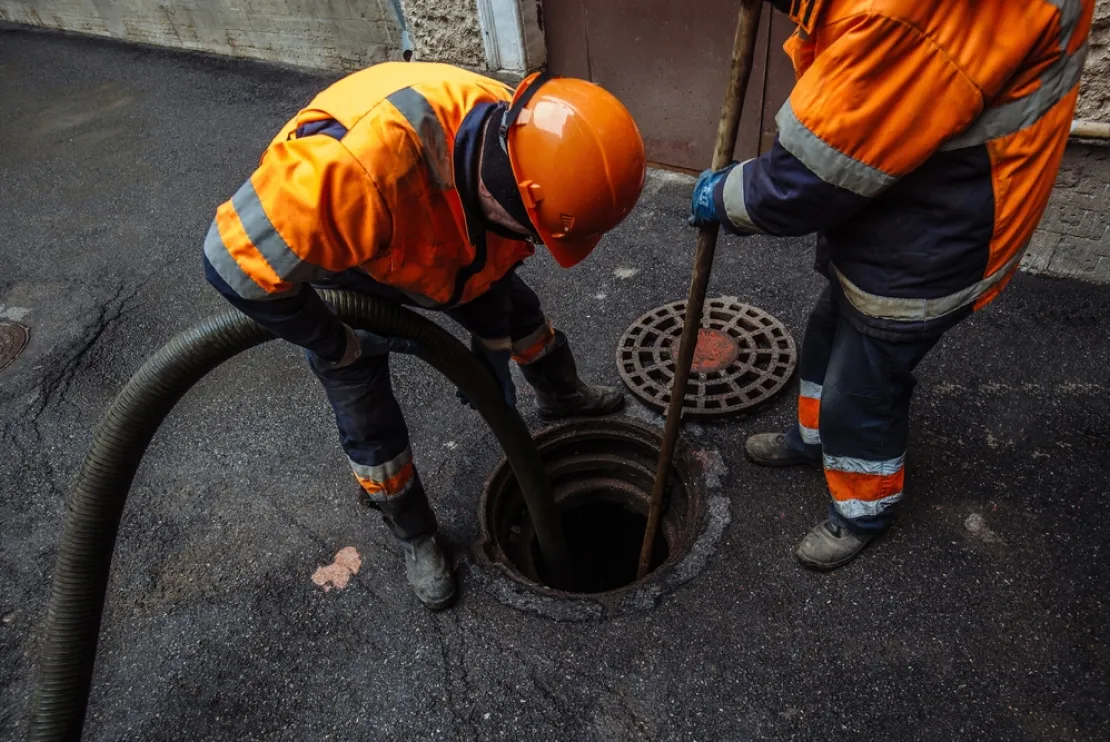
Ductile Iron Drainage Maintenance Tips for Long Life
Ductile iron (DI) drainage systems are widely used in modern infrastructure
for their strength, durability, and load-bearing capacity. Whether installed
in industrial complexes, highways, commercial spaces, or residential
developments, these systems require regular upkeep to ensure they continue
to perform efficiently over the long term.
At Nexus Cast, we’ve seen how proper maintenance can significantly extend
the lifespan of ductile iron drainage grates and covers. In
this article, we
explore practical and proven maintenance tips that help you get the most out
of your DI drainage investments.
Why Ductile Iron Drainage Systems Need Maintenance
Ductile iron is engineered for strength and longevity. However, like any
infrastructure component, it is continuously exposed to the elements and
operational stress. Factors like rainwater, road traffic, industrial waste,
temperature variations, and even vegetation growth can affect the integrity
of DI drainage components.
Without regular inspections and preventive care, even the strongest drainage
systems may suffer from:
1. Rust and corrosion
2. Physical wear and tear
3. Structural weakness over time
4. Drain blockages leading to waterlogging
5. Safety hazards due to broken or misaligned covers
Routine maintenance ensures the system remains reliable, functional, and
safe for years to come.
Routine Maintenance Tips
1. Regular Visual Inspections
The first step in drainage system maintenance is simple yet
crucial—visual
inspection. This should be carried out monthly or quarterly depending on
the
environment (e.g., high-traffic or coastal zones may require more
frequent
checks).
What to look for:
1. Cracks or chips in the grating
2. Signs of corrosion or pitting on the surface
3. Dislodged or misaligned covers
4. Loosening of bolts or fasteners
5. Accumulated debris blocking the grates
Tip: Use a flashlight to inspect areas under the grate and a
simple inspection checklist to track condition over time.
2. Cleaning and Debris Removal
Clogged drainage systems can lead to water pooling, foul smells, and even
surface damage to nearby infrastructure. Routine cleaning ensures
uninterrupted water flow and prevents long-term degradation of both the
iron and surrounding concrete or asphalt.
Cleaning methods:
1. Use a stiff wire brush or pressure washer to clean the grating surface
2. Remove leaves, plastic waste, sediment, and grease buildup manually
3. If applicable, flush the drain channel with clean water to check for
blockages
Recommended Frequency: Every 2–3 months or after heavy rainfall
events.
3. Rust and Corrosion Prevention
Even though ductile iron is more corrosion-resistant than standard cast
iron, prolonged exposure to moisture, salts, and industrial chemicals
can trigger oxidation.
How to prevent corrosion:
1. Apply anti-corrosion coatings or epoxy paint during installation or
servicing
2. Check for early signs of rust; like discoloration or surface flaking
3. If surface rust is visible, scrub it off and reseal the exposed area
Environmental Tip: For coastal regions or areas with chemical
runoff, consider galvanizing or using specially coated grates at the
outset.
4. Drainage Grate Re-tightening or Realignment
DI grates and covers can become loose over time due to vibrations,
pressure from passing vehicles, or shifting soil. Loose covers not only
reduce functionality but also pose serious safety risks to pedestrians
and vehicles.
Maintenance actions:
1. Periodically check fasteners and locking mechanisms
2. Replace missing or corroded bolts with stainless steel hardware
3. Ensure the grate fits snugly within the frame
When to act: Immediately if noise, rattling, or movement is
observed during use.
5. Load Test and Structural Integrity Check
Especially in areas exposed to heavy vehicle loads; like industrial
yards, airports, or highways, it is essential to periodically assess the
load-bearing performance of the drainage covers.
Signs of structural fatigue:
1. Bent or deformed grates
2. Hairline cracks radiating from the corners
3. Slight depressions or sagging at the center
Load testing options:
1. Simulated loading using calibrated weights
2. Third-party safety audits (recommended annually for critical areas)
Remember: A compromised drainage cover can fail under
pressure—posing serious hazards and leading to costly downtime.
1. Exceptional Load-Bearing Capacity
Ductile iron can withstand high static
and dynamic loads, making it ideal for roads, highways, and industrial
yards. Nexus Cast’s DI gratings are manufactured to meet EN 124 load
classifications (e.g., D400, E600), ensuring performance under vehicular
and commercial traffic.
2. Corrosion and Weather Resistance
Ductile iron offers excellent resistance to corrosion caused by moisture,
road salts, industrial chemicals, and changing weather conditions. This
means lower replacement costs and a longer lifecycle.
3. Crack and Impact Resistance
The nodular graphite structure allows ductile iron to flex slightly under
pressure rather than cracking, an essential quality for areas prone to
ground movement or vibration.
4. Long-Term Cost Efficiency
While the initial cost may be higher than plastic or concrete
alternatives, DI gratings offer better ROI through longer service life,
fewer repairs, and lower maintenance needs.
5. Minimal Maintenance
These gratings require minimal upkeep over time. Basic cleaning and
occasional inspection ensure optimal performance, which is why they’re
preferred in high-maintenance areas like airports and seaports.
When to Replace DI Drainage Covers
Maintenance can only go so far; there are times when drainage grates need
complete replacement. Knowing when to replace is crucial to avoid sudden
failures or accidents.
Replacement indicators:
1. Cracks that cannot be repaired or keep reappearing
2. Deep corrosion pitting or metal thinning
3. Misalignment that cannot be corrected
4. Covers that no longer meet updated load class requirements (EN 124:2015)
Pro Tip: Plan replacements during scheduled downtime or maintenance
periods to avoid interruptions in service.
Common Issues and How to Fix Them
Here are a few frequently encountered DI drainage problems and solutions:
| Issue |
Cause |
Fix |
| Pooling water around grates |
Blockage or clogged channel |
Clean drain path thoroughly; inspect outlet |
| Rust patches |
Prolonged moisture, chemical exposure |
Remove rust, recoat surface with protective layer |
| Loose or rattling covers |
Worn bolts or improper installation |
Replace bolts, ensure cover sits flush in frame |
| Crack lines forming |
Excessive load or temperature fluctuation |
Replace if cracks grow; inspect structural supports |
| Foul odor |
Organic material decomposition |
Clean debris, flush with disinfectant-treated water |
This guide explains how each product undergoes rigorous testing to meet EN 124 and ISO 9001 standards.
Conclusion
Ductile iron drainage systems offer exceptional performance, but their
longevity depends greatly on routine care. Regular inspections, cleaning,
rust prevention, and structural checks can ensure that these systems serve
your infrastructure reliably for decades.
By following the maintenance tips outlined above, facility managers,
contractors, and public works departments can prevent costly failures,
enhance safety, and maximize ROI.
For high-performance DI drainage solutions built to last, trust Nexus
Cast -
India’s premium manufacturer of ductile iron grates, covers, and
infrastructure products.